Saturday 7 November 2026
Breaking
Home / Authors / Business Matters

Business Matters. 39,829 articles

Free newsletters

The stories that matter to UK business, straight to your inbox.

Free newsletters

The stories that matter to UK business, straight to your inbox.

Latest by Business Matters

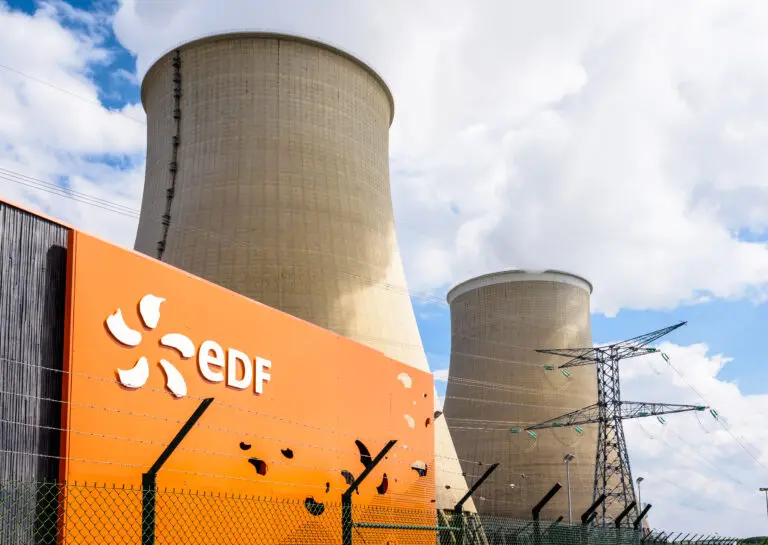
France plans a full nationalisation of EDF in an attempt to help the state electricity giant overcome a crisis linked to spiralling debt, falling revenue and an energy price cap, the French prime minister said yesterday.
News

French state nationalises energy giant EDF

France plans a full nationalisation of EDF in an attempt to help the state electricity giant overcome a crisis linked to spiralling debt, falling revenue and…

Online Betting
Business

Trends transforming UK gambling

In the United Kingdom, gambling has always been part of everyday life. Just like going to the pub for a pint with friends.

Ertan Ikic
Business

Getting to Know You – Ertan Ikic, Recruiter

Ertan Ikic is a professional recruiter based out of Rancho Santa Margarita, California. Throughout his life, Ertan has never been a stranger to hard work.
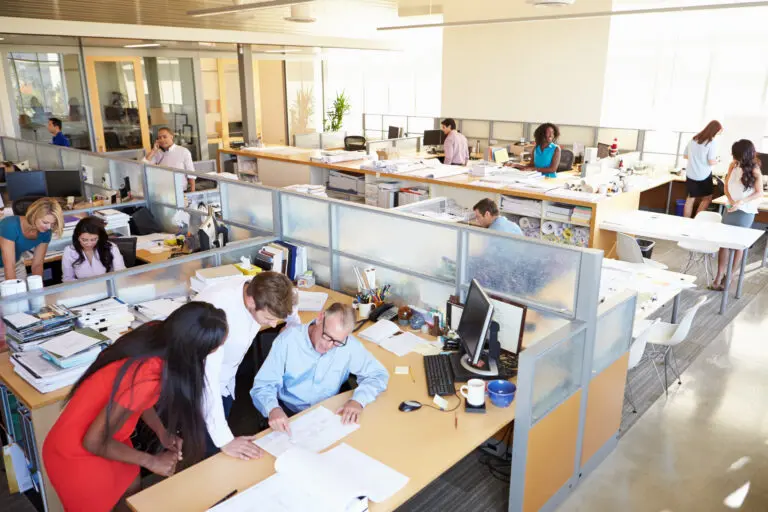
Returning to work in offices will help younger staff with their careers, the boss of a pub firm has said.
Business

The Best Areas to Rent an Office in London

London is a major business centre, so there are many areas that are great for renting an office. However, looking for office space in this vast…

Cash,Credit,Vs,Overdraft,Handwritten,On,A,Blackboard.
Business

A Guide on How to Avoid Overdraft Fees

If you make a purchase that sends your current account into a negative balance, you are likely to be charged an overdraft fee by your bank…
Pile,Coin,Money,With,Account,Book,Finance,And,Banking,Concept
Business

7 of the The Best Longer Term Investment Tips

When looking at investing in anything, you want to ensure you have a long-term vision. Remaining aligned with your long-term vision is vital.

‘Visibility is key to effective communication’ was perhaps the clearest takeaway from the enforced periods of remote work over the last two years. Modern teams may have emerged from the lockdowns with very different conclusions about the benefits and place of home working, but few could argue that distance has eased relations between employers and their employees. Since 2020, the average age of burnout has fallen to 32. Formerly the domain of over-stretched mid-career professionals, burnout today is an epidemic hitting all those unable to flag unmanageable workloads. The consequence of remote work is that those without power - especially junior employees - have found themselves accepting more work than they can take on from managers who simply do not have the information to manage their work flow. The benefit of the office is visibility. Proximity not only makes it easier to read how well a team is managing its work, it helps to establish the foundations of trust and openness needed for employees to feel they can come to their manager with an issue before it gets out of hand. A majority of employees reported through the pandemic that their relationship with their manager was strained as communication broke down and leaders fell back on excessive micromanagement to monitor team performance. This is unsustainable. Micromanagement is still one of the main reasons why employees leave their jobs, and productivity will continue to fall as employees feel unable to approach their colleagues. Above all, the function of hybrid models of work must be to reinforce the integral weaknesses of remote working, promoting a healthy culture of visibility and effective communication. To achieve this, teams must make the most of time spent together. Where possible, managers should book private rooms and use office days for in-person meetings with their direct reports. Here, employees have the opportunity to speak freely, setting a precedent for managing workloads and related stress before it amounts to burnout. Informal lunches and time spent together in a relaxed, offline capacity will also help managers to gain insight into how their employees are feeling that - realistically - could not be gleaned from any relationship built exclusively online. Ultimately, these changes condense into workplace ‘culture’. By establishing a culture of healthy communication, teams can effectively talk through imbalances in workload and ensure junior employees are not over-encumbered. By establishing a culture of trust, managers can devolve power to employees to work more autonomously and cut out needless reporting and check-ups when out of office.  Hybrid work presents leaders with the opportunity to enjoy both the versatility of remote work and the eased communication of the office. The challenge will be to coordinate a team on a flexible schedule in a way that balances these priorities. Witco’s solution is an all-in-one application that manages all the services of the modern hybrid workplace around one, straightforward feed. From reporting satisfaction to booking rooms or requesting concierge services, technology will prove vital in ensuring that hybrid work supports - and does not further complicate - the challenges of the modern workforce. Leaders should recognise from soaring rates of burnout the importance of communication in handling these problems before they arise. Overwork is not inevitable, and nor should it be difficult to identify. Teams who can make proper use of physical spaces to understand their workforce will be best positioned to resolve issues before they can fester. Those who simplify that task with technology will emerge the trailblazers of a harmonious new model of work able to draw on the relative advantages of both home and the office.
In Business

Managing burnout with hybrid teams

‘Visibility is key to effective communication’ was perhaps the clearest takeaway from the enforced periods of remote work over the last two years.