


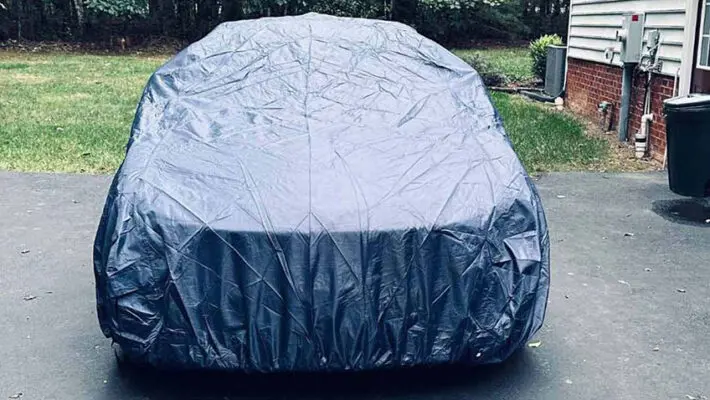
Sunlight fades paint, bird droppings and tree sap can etch the finish, dust builds up on the surface, and harsh weather can take a toll on everything from exterior trim to the interior. Most of this damage happens gradually, which makes it easy to overlook until the repair or replacement bill arrives.
A car cover offers a simple way to reduce that everyday exposure. Beyond keeping a vehicle cleaner, the right cover can help preserve its appearance, reduce maintenance demands, and protect components that can be expensive to restore.
Here’s how a car cover can help save money on vehicle maintenance while keeping a vehicle looking its best.
1. Paint Protection Reduces the Need for Expensive Detailing and Repairs
Repainting a vehicle can be a costly repair, especially when the damage affects a larger or more visible area. The price of repainting a single panel depends on factors such as the vehicle, paint finish, and the shop performing the work. Full resprays cost considerably more. Most paint damage doesn’t happen in accidents; it accumulates from daily exposure to UV radiation, bird droppings, tree sap, industrial fallout, and airborne debris.
UV damage is a gradual problem that is easy to overlook. Constant sun exposure breaks down clear coat, fades paint, and oxidizes the surface over years. Oxidized paint often needs more than a thorough wash to recover its appearance. Treatment may include machine polishing, wet sanding, or repainting.
A car cover blocks UV exposure entirely when the car is parked. It also stops bird droppings and tree sap from making contact in the first place. Both are acidic. Both cause permanent clear coat etching if left on the surface long enough. Removing these contaminants after they cause damage can be costly, whereas preventing contact with a cover is a much simpler solution.
Seal Skin Covers offers vehicle covers designed to help protect parked vehicles from outdoor elements that can contribute to paint and surface damage.
Over time, this can mean less need for paint correction, fewer professional detailing appointments, and a finish that maintains its depth and gloss for longer.
2. Interior Protection Delays Costly Upholstery and Dash Repairs
The same UV rays that fade exterior paint cook the interior. Leather cracks, plastics become brittle and discolor, dashboards warp and fade, and steering wheels degrade noticeably faster in vehicles that sit in direct sunlight regularly.
Leather seat repairs and full upholstery replacement are expensive. A dashboard replacement or professional re-dye on a damaged leather interior can run into thousands of dollars on higher-end vehicles. Preventing that damage from accumulating in the first place is considerably cheaper.
A good car cover, particularly one used in combination with a windshield sunshade, significantly reduces the solar heat and UV exposure the interior receives. Cooler interior temperatures during parking also reduce strain on door and window seals, which can become brittle and fail when repeatedly exposed to extreme heat cycles.
3. Protecting Trim and Rubber Components Avoids Premature Replacement
Exterior trim, rubber door seals, window moldings, and weatherstripping all degrade from UV and heat exposure. Plastic cladding fades and becomes chalky. Rubber seals dry out, crack, and eventually leak. Replacing door seals or window trim adds up quickly, especially on vehicles where these components are model-specific and not cheap to source.
Trim restoration products help, but they’re a reactive measure. A cover reduces the exposure that makes restoration necessary in the first place.
4. Reduced Washing Frequency Lowers Water and Product Costs
An uncovered car parked outdoors accumulates dust, pollen, and environmental contamination every day. In high-pollen seasons or near construction activity, the surface can need washing multiple times per week to stay clean.
A covered car stays significantly cleaner between washes. Fewer washes means less water consumption, less wear on the paint surface from repeated wash contact, fewer detailing product purchases, and fewer trips to a professional car wash. Over the course of a year, the difference in wash frequency adds up to a measurable saving in both cost and time.
There’s also a paint longevity angle. Every wash introduces some level of surface contact and micro-abrasion, even with quality products and technique. Reducing wash frequency reduces cumulative paint wear.
5. Hail and Weather Protection Avoids Insurance Claims and Deductibles
This is where a car cover can deliver its most significant single-incident financial benefit. Hail damage is among the most common weather-related insurance claims for vehicles. Moderate hail damage can lead to significant repair costs, with the final price depending on the severity of the dents and the vehicle involved. Making a claim can come with out-of-pocket costs, possible premium increases, and the inconvenience of being without the vehicle during repairs.
Pickup trucks face many of the same weather-related risks, but their open beds also leave cargo exposed to rain, snow, UV rays, and debris. A truck cap can help protect the bed and its contents from the elements while providing additional enclosed storage, making it a practical addition for truck owners who regularly park their vehicles outdoors.
A hail-rated car cover, specifically one with padded multi-layer construction designed for impact absorption, provides meaningful protection against moderate hail events. It won’t stop baseball-sized hail from causing damage, but it reduces or eliminates the denting and paint damage from the smaller-diameter hail that causes the majority of insurance claims.
The cost of even a premium hail-protection cover is a fraction of a typical deductible, let alone the potential rate impact of filing a claim.
6. Better Resale Value Is Money Saved at the End of Ownership
Every dollar of maintenance avoided and damage prevented during ownership shows up in the vehicle’s condition at resale time. Buyers pay more for vehicles with paint in good condition, clean interiors, and intact trim. Dealers factor paint and interior condition directly into trade-in valuations.
A car that has been kept under cover throughout ownership will typically show less paint fade, fewer clear coat defects, better interior condition, and more supple rubber than a comparable vehicle that has sat uncovered in similar conditions. That difference translates directly to a higher private sale price or trade-in offer.
The key areas where a car cover can help cut maintenance costs include:
- Fewer paint correction and detailing sessions needed
- Avoided resprays from UV oxidation or etching damage
- Delayed or avoided interior upholstery and dashboard repairs
- Extended life of rubber seals, trim, and weatherstripping
- Lower annual washing costs and product spend
- Potentially avoided hail damage claims and deductibles
- Higher resale or trade-in value at the end of ownership
The cover itself is a one-time purchase. The savings accumulate every year it’s in use.
Final Thoughts
A car cover may not look like a major investment, but its value becomes clearer when the small costs of vehicle upkeep start adding up. Reducing washing, paint correction, weather-related damage, and interior wear can add up to meaningful savings throughout the vehicle’s ownership. Instead of waiting for sun, storms, dirt, or debris to create an expensive problem, covering the vehicle is a simple way to protect its condition and keep more money in your pocket.
Author Bio
Mark Adams is a content writer and automotive research specialist at Seal Skin Covers, specializing in vehicle and outdoor protection solutions. He focuses on helping readers safeguard their investments through practical care tips, storage advice, and product insights. With a strong interest in automobiles and vehicle maintenance, Mark enjoys exploring ways to extend the life and performance of cars, trucks, and recreational vehicles.