


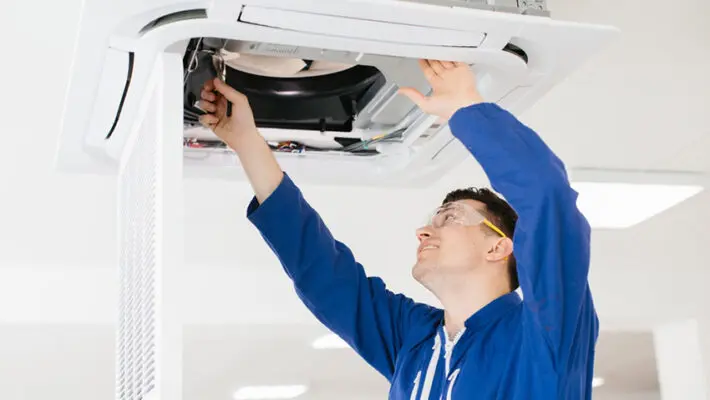
While energy management and workplace ergonomics often take centre stage, indoor air quality is an equally vital yet frequently overlooked aspect. Poor ventilation in offices, retail spaces, or production areas can lead to discomfort, increased sick days, and even regulatory challenges, impacting overall business performance.
The Business Case for Effective Ventilation
Research consistently shows that adequate airflow and pollutant removal improve cognitive function, reduce absenteeism, and enhance employee satisfaction. In small-business environments, where resources are limited, investing in smart ventilation solutions can yield tangible financial benefits by lowering energy consumption while protecting the workforce.
Common Ventilation Challenges in SMEs
Small and medium-sized enterprises often face unique ventilation challenges:
- Compact layouts that restrict natural airflow.
- High occupancy density during peak hours.
- Heat-generating equipment in kitchens, workshops, or server rooms.
- Limited budget for retrofitting or upgrading HVAC systems.
Addressing these challenges effectively requires solutions that are scalable, energy-efficient, and easy to maintain.
Strategies to Enhance Air Quality and Efficiency
Business owners can adopt several strategies to improve air quality while keeping energy costs manageable:
- Regularly servicing existing HVAC and exhaust systems to maintain peak efficiency.
- Monitoring indoor humidity and particulate levels to preempt potential issues.
- Incorporating natural ventilation where possible, such as openable windows or vents.
- Using targeted mechanical solutions to manage specific problem areas like kitchens or server rooms.
Innovative Ventilation Solutions
One practical approach is the integration of a high-performance inline extractor. These units offer several advantages for small businesses:
- Efficient removal of heat, moisture, and pollutants from targeted areas.
- Energy-efficient operation, reducing electricity costs compared to older exhaust systems.
- Quiet performance, maintaining a comfortable working environment.
- Compatibility with both retrofitted spaces and new builds.
Maintenance and Long-Term Benefits
To maximise the return on investment, maintenance and monitoring are crucial:
- Regular cleaning and inspection of the inline extractor fan and connected ducting.
- Ensuring airflow rates match the space occupancy and usage.
- Combining mechanical extraction with short periods of natural ventilation to optimise air exchange.
- Tracking energy consumption to identify additional efficiency improvements.
Additional Considerations for Modern Ventilation Planning
Integrating Smart Technology
Modern ventilation systems have an increased reliance on sensors and automation to optimize efficiency. Smart CO2 monitors, temperature sensors, and humidity controllers can modify airflow based on prevailing conditions. This decreases the burden on business owners, while maintaining a consistent and desired indoor air quality. Automated systems are particularly valuable to small businesses for:
- Energy savings through automation
- Proactive notification concerning pollutant increases
- Access to air quality data on a mobile or desktop application
Tailoring Ventilation to Industry Needs
Every business environment will have its own ventilation requirements. For example:
- Restaurants and cafés have a need for effective exhaust systems and hoods to eliminate cooking fumes and maintain a comfortable temperature and humidity in the dining area.
- Retail shops have a need for a continuous flow of air to keep customers comfortable, and to prevent the air from becoming stale and/or stagnant during busy periods.
- Workshops and small scale manufacturing have a need for specialized, and often localized, exhaust ventilation to control the removal of dust, fumes, and excessive heat.
- Recognizing the ventilation needs for different sectors of the economy ensures that small business owners will be able to select the most appropriate and effective alternatives for their particular activities.
Cost Saving Opportunities Through Energy Efficiency
Many upgrades that improve budget ventilation systems have quick payback periods. For example, replacing old exhaust fans with energy efficient inline extractors. Improved air flow helps HVAC systems run more efficiently and lowers long term energy costs. Local small businesses can also investigate governmental incentives and grants that support ventilation upgrades.
Conclusion
For small businesses, ventilation is not just a regulatory or comfort concern—it is a strategic investment. By implementing modern solutions such as an inline extractor, companies can protect employee health, reduce operational costs, and enhance overall workplace performance. Considering air quality in business planning is a forward-thinking approach that delivers both tangible and intangible benefits, ensuring a healthier, more productive environment.