


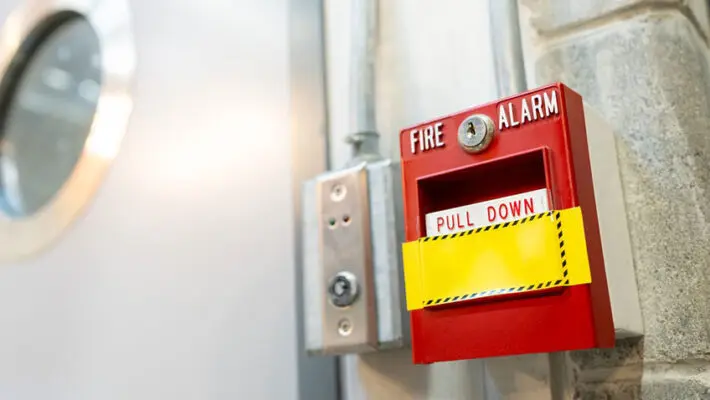
Whether operating from an office, warehouse, retail unit, or industrial facility, every organization has a responsibility to protect employees, visitors, and physical assets from preventable risks.
Among the most important aspects of workplace safety is fire prevention and emergency preparedness. A single fire-related incident can disrupt operations, damage property, harm employees, and create significant financial consequences. As businesses continue to adapt to evolving regulations and workplace expectations, investing in comprehensive fire safety measures has become an essential part of responsible management.
Why Fire Safety Matters for Modern Businesses
Fire incidents can occur in virtually any workplace environment. Electrical faults, faulty equipment, unattended appliances, combustible materials, and human error remain common causes of workplace fires.
The consequences often extend beyond immediate property damage and may include:
- Business interruption
- Lost productivity
- Insurance complications
- Regulatory penalties
- Reputational damage
- Employee welfare concerns
For growing companies, these risks can be particularly significant because unexpected disruptions can affect both revenue and customer confidence.
A proactive fire safety strategy helps reduce these risks while demonstrating a commitment to employee wellbeing.
What Are the Key Components of Workplace Fire Protection?
Effective fire safety involves much more than installing alarms and hoping they are never needed.
A comprehensive strategy typically includes:
| Fire Safety Element | Purpose |
| Risk assessments | Identify hazards and vulnerabilities |
| Detection systems | Provide early warning |
| Emergency planning | Improve evacuation procedures |
| Staff training | Increase preparedness |
| Equipment maintenance | Ensure reliability |
| Fire suppression tools | Help control small incidents |
Each component plays an important role in creating a safer workplace environment.
Why Prevention Is Better Than Response
While emergency equipment is essential, preventing incidents remains the most effective approach.
Businesses can significantly reduce risk through:
- Regular electrical inspections
- Equipment maintenance programs
- Safe storage procedures
- Housekeeping standards
- Employee awareness training
- Hazard identification processes
Many workplace fires result from issues that could have been identified and addressed before they became emergencies.
Organizations that prioritize prevention often experience fewer incidents and lower long-term safety costs.
How Risk Assessments Improve Business Resilience
Fire risk assessments form the foundation of workplace fire safety.
These assessments help identify:
Potential Ignition Sources
Electrical equipment, machinery, heating systems, and cooking facilities can all present risks.
Fuel Sources
Paper, packaging, chemicals, textiles, and other combustible materials may contribute to fire spread.
Occupancy Considerations
Understanding how people use a building helps improve emergency planning.
Existing Control Measures
Assessments evaluate whether current protections remain effective and compliant.
Regular reviews ensure safety measures continue meeting the needs of a changing workplace.
Why Employee Training Is Essential
Even the most sophisticated fire safety systems rely on informed employees.
Training helps staff understand:
- Emergency procedures
- Evacuation routes
- Alarm protocols
- Hazard recognition
- Equipment awareness
When employees know how to respond during an emergency, evacuation processes tend to be faster and more organized.
Confidence and preparation can make a significant difference during high-pressure situations.
How Technology Is Transforming Workplace Safety
Modern businesses increasingly use technology to strengthen safety programs.
Examples include:
- Smart monitoring systems
- Connected alarm networks
- Automated testing solutions
- Digital compliance records
- Remote inspection capabilities
These technologies help organizations improve oversight while simplifying maintenance and reporting requirements.
The growing integration of safety technology reflects a broader trend toward proactive risk management across multiple industries.
Why Early Detection Saves Lives
One of the most critical factors during a fire emergency is time.
Early warning systems provide occupants with valuable time to:
- Identify danger
- Initiate evacuation procedures
- Contact emergency services
- Reduce exposure to hazardous conditions
This is particularly important because many fire-related fatalities result from smoke inhalation rather than direct flame exposure.
Reliable detection systems remain among the most effective safety investments available to businesses.
Understanding Hidden Workplace Hazards
While visible fire risks often receive attention, some threats are less obvious.
Combustion appliances, heating equipment, and poorly ventilated areas can sometimes create dangerous conditions without obvious warning signs.
A properly installed carbon monoxide detector helps identify the presence of this invisible and odorless gas before it reaches dangerous levels.
Workplaces that use fuel-burning equipment should consider monitoring systems as part of a broader health and safety strategy. Early detection can provide critical warning and support safer working environments.
What Role Does Emergency Equipment Play?
No fire safety strategy is complete without appropriate emergency response tools.
While prevention remains the primary objective, businesses must also prepare for situations where incidents occur despite precautions.
Emergency equipment supports:
- Initial incident response
- Occupant protection
- Damage limitation
- Regulatory compliance
The type of equipment required depends on the nature of the workplace and the risks identified through assessment processes.
Regular inspections help ensure equipment remains operational when needed.
Why Fire Extinguishers Remain Essential
Although modern buildings often include sophisticated alarm and suppression systems, Fire Extinguishers continue to play an important role in workplace safety.
When used appropriately by trained personnel, they may help control small fires before they escalate into larger incidents.
Different types are designed for specific hazards, including:
- Electrical equipment
- Flammable liquids
- Paper and wood materials
- Commercial kitchens
- Industrial environments
Selecting suitable equipment and ensuring proper staff training are essential for maximizing effectiveness.
Organizations should never assume that a single extinguisher type is appropriate for every workplace situation.
How Fire Safety Supports Business Continuity
Business continuity planning focuses on maintaining operations despite unexpected disruptions.
Fire safety contributes directly to this objective by helping businesses:
- Reduce operational downtime
- Protect critical infrastructure
- Safeguard employee welfare
- Minimize financial losses
- Improve insurance outcomes
Companies that invest in preparedness often recover more quickly from emergencies than those relying solely on reactive measures.
As organizations become increasingly dependent on technology and interconnected systems, resilience planning continues to grow in importance.
Creating a Culture of Safety
Strong safety performance is rarely achieved through equipment alone.
Successful organizations often cultivate a workplace culture where safety becomes part of everyday operations.
Characteristics of effective safety cultures include:
- Leadership commitment
- Employee engagement
- Open communication
- Continuous improvement
- Regular training
- Accountability at all levels
When safety is embedded into organizational decision-making, compliance and preparedness naturally improve.
Choosing Reliable Safety Partners
The effectiveness of a fire safety strategy often depends on the quality of products and expertise supporting it.
Businesses benefit from working with suppliers that offer:
- Industry knowledge
- Regulatory expertise
- Comprehensive product ranges
- Ongoing support
- Reliable compliance guidance
Within the UK safety sector, SafeLincs has established a reputation for helping organizations access a wide range of workplace safety solutions, including fire protection equipment, detection systems, and compliance resources. Their focus on education and practical safety guidance supports businesses seeking to strengthen risk management programs.
Access to expert advice can help organizations make informed decisions while navigating changing regulations and evolving workplace requirements.
How Regulations Continue to Evolve
Fire safety regulations continue to develop as governments and industry bodies seek to improve workplace standards.
Business owners should remain aware of:
- Inspection requirements
- Equipment maintenance obligations
- Employee training expectations
- Documentation standards
- Building-specific responsibilities
Regular reviews help ensure organizations remain compliant while adapting to operational changes.
Compliance should be viewed not simply as a legal requirement but as part of broader risk management and corporate responsibility efforts.
The Future of Workplace Fire Safety
Emerging technologies, increased regulatory focus, and growing awareness of employee wellbeing are shaping the future of workplace safety.
Key trends include:
- Greater automation
- Improved monitoring capabilities
- Data-driven risk management
- Enhanced employee training platforms
- Smarter compliance systems
Businesses that proactively embrace these developments are often better positioned to manage risks while supporting sustainable growth.
Conclusion
Fire safety remains one of the most important responsibilities facing modern organizations. Effective prevention, early detection, employee training, and emergency preparedness all contribute to safer workplaces and stronger business resilience.
By incorporating tools such as a carbon monoxide detector and maintaining appropriate Fire Extinguishers, businesses can strengthen their overall safety framework while protecting employees, customers, and assets.
As organizations continue to grow and evolve, investing in fire safety is not simply a compliance exercise—it is a strategic decision that supports continuity, reputation, and long-term success.