


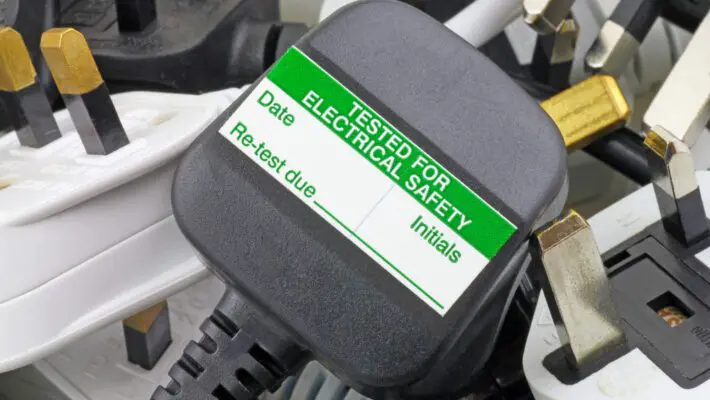
If you live in Melbourne’s northern suburbs, a periodic check by a professional service provider could uncover small faults before they spark bigger trouble. Understanding why that matters is the first step toward a safer, calmer home.
Electrical Maintenance Basics
Think of electrical maintenance as your home’s annual health check, a proactive routine that keeps power flowing safely, efficiently, and ready for every modern convenience you enjoy.
What It Really Means
Regular maintenance combines visual inspections, performance tests, and tiny adjustments, all designed to identify hidden faults before they generate shocks, outages, or expensive appliance damage.
Main System Components
Your service panel, branch circuits, grounding network, and protective devices work together nonstop; each deserves scheduled attention to prevent loose connections or overloaded conductors from escalating.
Professional Versus DIY
Simple tasks such as resetting a tripped breaker are fine for homeowners, yet code-level diagnostics belong to licensed electricians using calibrated tools to ensure every reading meets standards.
How Often to Schedule
Create an annual calendar: a spring walkthrough for visible wear, a summer performance test before peak HVAC demand, and a winter check to confirm holiday lighting capacity.
Key Safety Benefits
A structured maintenance plan does more than keep lights on; it dramatically lowers accident risk, safeguards loved ones, and preserves the considerable investment locked inside your electrical infrastructure.
Accident Prevention
Routine torque checks stop arcing at terminals, ground-fault testing catches insulation failure early, and thermal scans reveal hotspots long before wires ignite surrounding building materials.
Regulation Compliance
The National Electrical Code updates every three years; maintenance visits verify your installation still meets current rules, preventing insurance headaches and potential resale complications.
Peace of Mind
When certified technicians document clear test results, evenings feel calmer because you know hidden wiring no longer threatens sudden darkness or worse, a life-altering incident.
Workplace Parallels
Commercial facilities rely on electrical safety programs for liability protection; households benefit similarly, echoing principles highlighted by The EI Group’s safety insights.
Preventing Costly Failures
Unexpected breakdowns often start with a faint smell or flickering lamp; scheduled maintenance spots these clues early, saving significant money on emergency repairs and damaged appliances.
- Early Detection Saves Cash. Infrared cameras flag overheated breakers, letting you replace a fifteen-dollar part instead of rewiring an entire branch circuit after meltdown.
- Minimized Downtime. Replacing worn contactors during an appointment prevents mid-dinner outages that can spoil food, damage electronics, and leave your family frustrated.
- Extended Equipment Life. Clean, tight connections reduce resistance, allowing motors, HVAC compressors, and smart devices to run cooler and last years longer than neglected counterparts.
- Budget Predictability. Planned service creates forecastable expenses, helping you allocate funds confidently instead of scrambling for loans after catastrophic system failure.
- Insurance Advantages. Documented upkeep can qualify you for premium discounts because insurers view maintained systems as significantly lower risk for claims.
Preventive strategies shared by Cummings Electrical prove predictive monitoring slashes repair costs; homeowners mirror those corporate wins when they treat residences like mission-critical facilities.
Energy Efficiency Gains
Well-maintained wiring and devices waste less power, directly lowering your monthly bill and shrinking your household’s carbon footprint without sacrificing comfort or modern technology.
Lighting Upgrades
Switching to LED fixtures during maintenance visits tackles two priorities simultaneously: cutting wattage in half and eliminating overheated sockets that previously stressed fragile conductors.
Load Balancing
Technicians measure amperage on each breaker, then redistribute circuits so high-demand appliances receive dedicated feeds, reducing voltage drop and boosting overall appliance performance.
Smart Controls
Adding occupancy sensors and Wi-Fi thermostats requires proper neutral paths and grounded boxes; maintenance ensures infrastructure supports these devices, maximizing automation savings.
Power Quality Checks
Surge suppressors, harmonics filters, and voltage regulators only help when installed correctly; inspections verify protective gear remains functional, shielding electronics from energy-wasting spikes.
Real-World Results
Commercial studies, such as Super Fast Electric’s findings, consistently demonstrate dramatic kilowatt-hour reductions—results you can replicate at home through similar upgrade strategies.
Common Components Checklist
A concise checklist turns vague good intentions into actionable steps, guiding both homeowner observations and professional service calls toward the most failure-prone devices.
- Service Entrance. Inspect weatherhead, meter base, and grounding electrode for corrosion, ensuring the first point of contact with utility power is mechanically sound.
- Main Panel. Verify breaker sizes match conductor gauges, tighten lugs to manufacturer torque specs, and label circuits for quick isolation during emergencies.
- Ground-Fault Devices. Test GFCI outlets monthly using built-in buttons; replace any unit that fails to trip instantly under simulated fault conditions.
- Arc-Fault Breakers. Press the test button twice yearly; improper tripping patterns indicate internal wear requiring prompt replacement for continued fire protection.
- Surge Protection. Whole-house suppressors possess finite life; maintenance checks LED indicators and replaces modules once clamping capacity diminishes below safe levels.
Keep this list on your refrigerator or phone, marking completion dates so nothing critical slips through cracks between professional visits.
Routine Inspection Tasks
Consistent, methodical inspections stop minor issues from snowballing; viewing maintenance as a series of repeatable tasks makes the project manageable and less intimidating.
Visual Walkthrough
Start at the panel, look for discoloration or odor, then proceed room by room, noting loose faceplates, frayed cords, or outlets warm to the touch.
Functional Testing
Operate light switches, reset GFCIs, and cycle breakers; these quick actions reveal stiff mechanisms or nuisance tripping that signals deeper wiring concerns.
Thermal Scanning
Professionals use infrared cameras to compare bus bar temperatures; anything twenty degrees hotter than ambient warrants tightening or component replacement.
Documentation
Record findings in a simple spreadsheet, creating a maintenance history that helps future electricians diagnose trends faster and suggest targeted improvements.
Fire Hazard Prevention
Electrical fires ignite silently inside walls; regular maintenance eliminates the underlying conditions, protecting your home and family from devastating loss.
- Loose Connections. Vibrations and thermal cycling loosen screws; tightening them prevents arcing, the leading spark source behind residential electrical fires.
- Overloaded Circuits. Technicians calculate load diversity, redistributing receptacle feeds so high-draw devices won’t overheat conductors hidden within drywall cavities.
- Aging Insulation. UV light and heat degrade cable sheathing; infrared imaging identifies brittle zones before insulation flakes away, exposing live copper.
- Improper Extensions. Extension cords serve temporary needs only; maintenance advisors recommend adding permanent outlets where repeated temporary wiring appears.
- Moisture Intrusion. Gaskets around exterior boxes crack; replacing them blocks water that can corrode terminals and trigger short circuits.
Northbridge Insurance reports one-fifth of Canadian structure fires stem from electrical faults, underscoring why preventative measures remain non-negotiable for homeowners everywhere.
Code Compliance Tips
Meeting local electrical codes isn’t bureaucracy for its own sake; compliance guarantees materials, installation methods, and protection devices will withstand everyday stresses safely.
Know Your Edition
States adopt NEC editions at different times; verify which version your jurisdiction enforces before starting improvements or adding new circuits to avoid rework.
Permitting Matters
Pulling a permit allows inspectors to verify workmanship; passing first inspection saves costly corrections and delivers documented proof of safety for future buyers.
Upgrade Requirements
Major renovations often trigger whole-house AFCI upgrades or tamper-resistant receptacle mandates; incorporating these early reduces surprises once drywall is closed.
DIY Boundaries
Replacing a lighting fixture may be permissible, yet panel changes usually require licensed professionals; know the line and respect it to stay legal and safe.
Hiring Qualified Electricians
Even skilled homeowners need professional expertise for complex tasks; selecting the right electrician ensures work meets code, timelines, and long-term safety expectations.
- Verify Licensing. Request state license numbers and confirm current insurance, protecting you from liability if accidental damage occurs during service.
- Check Experience. Residential specialists understand home construction nuances better than industrial crews; ask about past projects similar in age and layout to yours.
- Request References. Speaking with recent clients reveals punctuality, cleanliness, and communication style, qualities that affect overall project satisfaction.
- Compare Estimates. Detailed quotes list materials, labor hours, and permit fees, helping you spot low bids that might compromise component quality or workmanship.
- Use Niche Platforms. Job boards like Best Electrician Jobs focus exclusively on electrical trades, making it easier to locate reputable, background-checked professionals quickly.
Building a relationship with a trusted electrician pays dividends; familiarity with your system accelerates future troubleshooting and fosters honest advice on upcoming upgrades.
Stay Shock-Free
You now understand that diligent checks, swift repairs and sound record-keeping protect loved ones, property and finances. When circuits hum quietly and bills shrink, your vigilance pays off. If uncertainty arises, review credible resources like The Local Electrician before attempting work; informed decisions keep your home energized and safe daily.