Breaking
In Business 2 min

Labour eases planning rules to boost solar and wind farm development

Labour loosens planning rules to allow more solar and wind farms Miliband and Rayner want to streamline planning process and reduce costs Labour will relax planning rules to make it easier and cheaper to build solar farms and onshore wind turbines capable of powering hundreds of thousands of homes. Ed Miliband, the energy security and net-zero secretary, and Angela Rayner, the deputy prime minister, want to streamline the process for building turbines and solar projects. They are planning to double the threshold at which onshore wind turbines are required to go through an enhanced planning process and treble it for solar farms. Ministers believe that this will allow more solar and onshore wind turbines to be built through the local planning process, speeding up approvals and reducing costs. Since taking office, Miliband has given planning consent to more solar power than has been installed in the past year, overriding protests from rural MPs to give the green light to projects that will power the equivalent of 400,000 homes. The government also announced the end of the ban on building new onshore wind turbines. Under current planning rules, turbines and solar projects are considered “nationally significant” infrastructure if they produce more than 50MW of power. They have to go through an enhanced planning process and need the sign-off of ministers. The government has announced plans to increase thresholds, which were introduced in 2008, to reflect significant advances in technology which mean newer solar and onshore wind turbines can produce far more energy. Onshore wind turbines are now larger and more powerful, generating twice as much power as they previously did, while solar technology has also improved significantly. The government said that the current regime has led to “distortions” with groupings of solar farms just under the 50MW threshold. The government wants to double the threshold to 100MW for wind, enough to power 120,000 homes, and treble it to 150MW for solar, enough to power around 45,000 homes. The rules are being changed to address concerns that they are out of date. Since the threshold was introduced in 2008 there have been significant advances in technology for solar and onshore turbines. The government said: “With the changes in technology that have taken place since, many small or medium-sized projects now exceed the existing nationally significant threshold. “This can be a barrier to the accelerated and streamlined deployment of these two cheap electricity generating technologies at scales below what most people would consider to be nationally significant.” It said that increasing the thresholds would be “proportionate”. “Potentially allowing projects that fall beneath these thresholds to move through the local planning system, given they are less complex and geographically spread out, could result in faster consenting, and at lower cost,” the government said. Labour sees the early lifting of the ban on onshore wind as a sign that it is willing to act quickly and take “difficult decisions” which it argues were ducked by the previous government. It has presented the move as a symbol of the party’s desire to kick-start growth through green technologies. A government spokesman said: “In an unstable world, the only way to guarantee our energy security and protect consumers from future energy shocks is by investing in cheap homegrown clean energy. “Essential to our clean-power mission is reform of the planning system to keep pace with technological advances, ensuring sites for this vital energy infrastructure are identified and developed. As part of this, we are committed to giving communities a role in engaging with proposals for developments in their local area.”

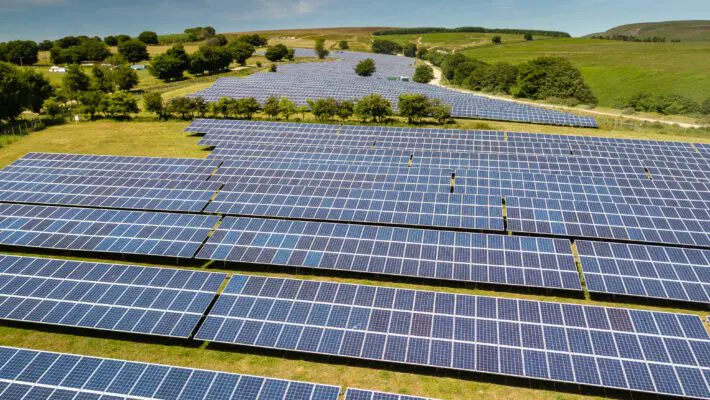
Labour is set to relax planning regulations, facilitating the construction of solar farms and onshore wind turbines to power hundreds of thousands of homes
Share𝕏inf✉

Ed Miliband, the Energy Security and Net-Zero Secretary, and Angela Rayner, the Deputy Prime Minister, aim to streamline the planning process and reduce associated costs.

The new regulations will double the threshold for onshore wind turbines and triple it for solar farms, enabling more projects to proceed through local planning processes. This change is expected to expedite approvals and cut expenses.

Since assuming office, Miliband has approved more solar power projects than were installed last year, despite opposition from rural MPs. These projects are anticipated to supply power to approximately 400,000 homes. Additionally, the government has lifted the ban on constructing new onshore wind turbines.

Free newsletters

The stories that matter to UK business, straight to your inbox.

Currently, turbines and solar projects are deemed “nationally significant” if they generate more than 50MW of power, necessitating an enhanced planning process and ministerial approval. The government plans to increase these thresholds, reflecting technological advancements that allow for greater energy production.

Newer onshore wind turbines and solar technologies can now generate significantly more power. The current regime has led to projects being designed just under the 50MW threshold to avoid stringent planning requirements. The proposed changes will increase the threshold to 100MW for wind, powering around 120,000 homes, and to 150MW for solar, enough for 45,000 homes.

The rules, considered outdated since their introduction in 2008, have not kept pace with technological progress. The government argues that the changes are necessary and proportionate, enabling smaller projects to progress through the local planning system more efficiently and cost-effectively.

Labour views the early removal of the onshore wind ban as a decisive action, differentiating itself from the previous government by taking bold steps to stimulate growth through green technologies.

A government spokesperson stated: “In an unstable world, the only way to guarantee our energy security and protect consumers from future energy shocks is by investing in cheap, homegrown clean energy. Reforming the planning system to align with technological advances is crucial. We are committed to involving communities in the development proposals for their local areas.”


More from In Business.

More →