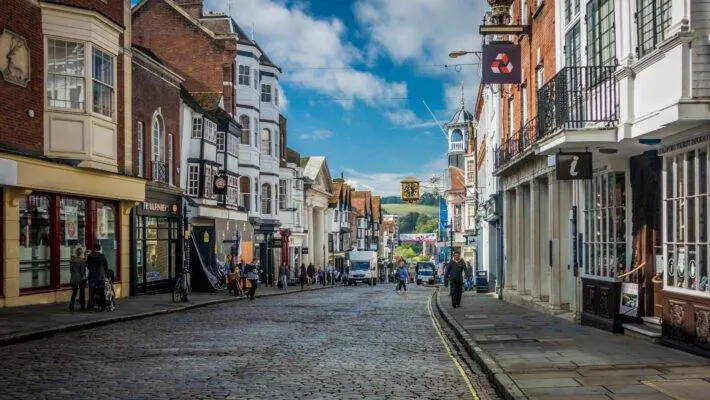
In an article published by The Times, Roberts and Lillis stress that the outdated business rates regime is the primary barrier to growth within the retail sector. They highlight the impact of increasing business rates, which have risen sharply in recent years, and caution that these financial pressures could lead to tens of thousands of job losses.
“The No 1 barrier to growth in our industry is the outmoded business rates system,” they argue, noting that previous governments have only made minor adjustments to the system without addressing its core issues. The result, they warn, has been a steady decline in high street shops, stunted economic growth, and widespread job losses.
Research conducted by Development Economics, and shared with *The Times*, supports these concerns, suggesting that a 20 per cent reduction in the headline business rates could save retailers £1 billion in the first year alone. This reduction could safeguard or create over 17,000 jobs, according to the findings.
While the research acknowledges that such a significant rate cut would initially reduce tax revenues for the Treasury, it predicts that the resulting boost in economic activity would generate net positive returns of £70 million annually for the government within a decade.
However, without intervention, Development Economics warns that 17,300 stores could close by 2033-34 under a worst-case scenario, with an average of 15 closures per town across England. This could result in the loss of approximately 42,000 jobs.
Roberts and Lillis argue that while reforming business rates isn’t a “silver bullet” for all economic challenges, it is a crucial first step towards revitalising growth, boosting employment, and securing sustainable funding for public services.
Business rates, which are calculated based on the rateable value of commercial properties, have seen a significant increase, with the multiplier rate rising from 51.2p to 54.6p. Despite representing just 5 per cent of the economy, the retail sector contributes about a fifth of the £32.1 billion in business rates revenues that the government expects to collect this year.
In its general election manifesto, the Labour Party pledged to overhaul the business rates system, aiming to create a more equitable environment between digital and bricks-and-mortar retailers. Digital retailers, with their minimal physical footprints, typically face much lower business rates.
With the Treasury under pressure to manage tight public finances, Chancellor Rachel Reeves faces the challenge of balancing budget cuts and potential tax increases. As part of its commitment to reform, the Treasury has pledged to replace business rates with a fairer system that levels the playing field, incentivises investment, addresses empty properties, and supports entrepreneurship.