
The suit, filed on Monday in the company’s home state of Washington, claims the alleged scheme has likely netted Amazon $20bn from advertising customers since 2019. “Amazon overrides and replaces the actual auction results with higher prices set by Amazon to increase its profits,” the complaint states.
Amazon said in a statement that it “strongly disagrees” with the premise that it misled advertisers and called the suit “misguided”.
The case centres on the auctions behind the Sponsored Products and Sponsored Brands ads that brands and sellers compete to place when consumers search for products using keywords on Amazon’s ecommerce platform. Those placements are auctioned off to the highest bidder.
The complaint accuses Amazon of secretly charging advertisers more in so called “second price” auctions, in which the winning bidder expects to pay one cent more than the next highest bid. In practice, the lawsuit alleges, Amazon has charged its Sponsored Products advertisers their own winning bid close to 80 per cent of the time. The methods were spurred, the complaint says, because the company “was unhappy about how much revenue its advertising auctions were generating”.
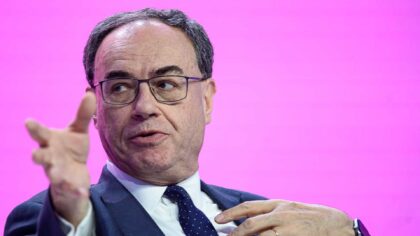
FTC chairman Andrew Ferguson said: “Amazon has millions of advertising customers who were misled into paying significantly higher prices.” The regulator says more than 500,000 small and medium-sized businesses are among the advertisers affected.
Amazon responded that the FTC “fundamentally misunderstands how advertisers operate”. “Advertisers adjust bids based on real-world performance, not descriptions of auction mechanics,” the company said. “Average winning bids fell 50% from 2019 to 2025 on Sponsored Products search ads, and roughly 92% of placed ads are not given to the highest bid.”
The FTC, a US consumer watchdog, and the states also argue that shoppers have been harmed because the extra costs are passed on. “Consumers are suffering, have suffered, and will continue to suffer substantial injury as a result,” the complaint states. Amazon rejected that framing: “The FTC wants the public to believe this case is about higher prices for consumers. It is not.” The company’s shares fell after the lawsuit was announced, closing 2.5 per cent lower on Monday.
For the many UK small businesses that sell through Amazon, the cost of reaching customers on the platform is a familiar grievance. Researchers have previously reported that Amazon tripled sellers’ fees in Europe while advertising costs surged, and more than 200,000 UK third party sellers are pursuing a £2.7bn claim against the company at the Competition Appeal Tribunal over alleged abuse of its dominant market position.
The new case also extends a long running fight between Amazon and the US regulator. The FTC and 17 state attorneys general had already sued the company over claims it used monopoly power to inflate prices and punish sellers who offered lower prices elsewhere. And last year Amazon paid $2.5bn to settle FTC allegations that it enrolled millions of consumers in its Prime subscription service without their consent and knowingly made it difficult to cancel, a sum that included civil penalties and consumer refunds.

Jamie Young
Jamie Young is Senior Reporter at Business Matters, covering SME finance, employment law and Westminster policy since 2016. He has reported on every Budget and Autumn Statement since 2018, helped make sense of the 'covid era' and the bounce-back loan scheme from launch through the fraud investigations, and broke the magazine's coverage of the 2024 late-payment reforms. He joined Business Matters straight from completing his BA in Administration from Exeter University and is NCTJ-qualified. Reach him at jyoung@cbmeg.co.uk