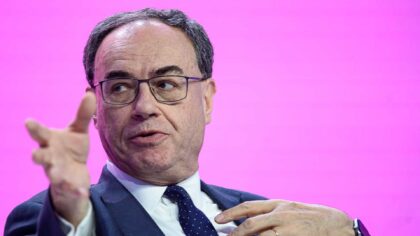

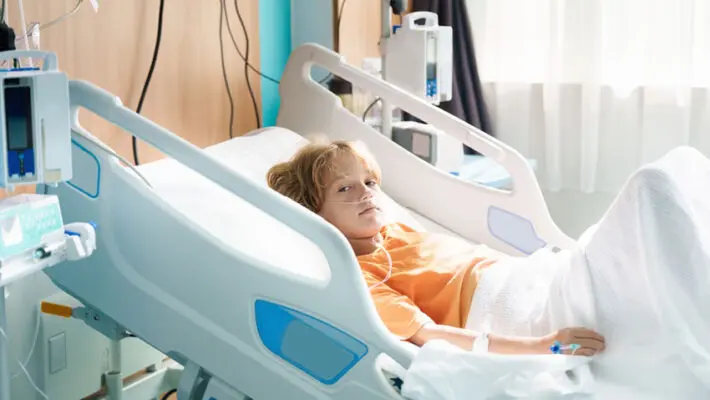
Dame Rachel de Souza is calling for parents whose children develop serious physical or mental health conditions to receive 12 weeks of leave at 90 per cent of their normal pay.
The proposal, known as Hugh’s Law, is named after Hugh Menai-Davis, who died from cancer in 2021 aged six. His parents, Ceri and Frances Menai-Davis, have campaigned for changes to employment law after watching families try to keep working from hospital while their children underwent treatment.
De Souza said parents had described making “impossible choices” as they tried to care for seriously ill or disabled children while holding down their jobs. “We should never force parents to choose between holding down a job and being by their child’s bedside,” she said. “Our existing employment rights are failing parents and carers … Families of seriously ill or disabled children desperately need a form of paid leave that enables them to care for and spend time with their child following a diagnosis or crisis in their child’s health.”
Ceri Menai-Davis told BBC Radio 4’s Today programme on Monday that the proposed protection would work in a similar way to maternity or paternity leave, recognising that parents need time away from work at critical moments in their child’s life.
“At the moment, parents do not have a legal right to be at the bedside of their child, to leave work and do what any parent would do,” he said. “Hugh’s Law would, in effect, protect parents for up to 12 weeks so they can just down tools and go be with their child and do what really matters most and be a parent in the most harrowing time of your life.”
Hugh was diagnosed with cancer during the Covid pandemic in 2020. His father said: “We watched parents trying to navigate the workplace, in the hospital room, next to their child, taking Zoom calls, writing reports, being pressured by bosses, whilst on the other side of the screen their child is receiving life-saving treatment.”
The case made to employers
Menai-Davis argued that the policy could also benefit employers by helping them to retain staff. Parents with a seriously ill child would leave work regardless, he said, while replacing an employee could cost significantly more than supporting them through a period of paid leave. Separate research has found that the majority of UK businesses have no policies in place to support informal carers in their workforce.
Employers already administer one comparable entitlement. Since April 2025, parents of babies admitted to neonatal care have had a right to up to 12 weeks of neonatal care leave, although statutory pay for that leave is a flat rate of £187.18 a week rather than a percentage of salary.
The children’s commissioner’s office said the financial strain could be particularly severe for families facing long hospital stays, who might have to pay for travel, parking, food and additional childcare while simultaneously losing earnings. Its analysis of children born in or after 2008 found that 260,141 had spent at least three weeks in hospital during their childhood. Of those, 34,846 spent more than three months in hospital and 1,342 more than a year.
Where ministers stand
De Souza is also backing an increase in unpaid carer’s leave from five to ten days a year, the introduction of a form of paid carer’s leave and a right for people to return to their jobs after longer periods spent caring.
The government has been consulting on how employment rights could better support unpaid carers and parents of seriously ill children. The consultation, which opened in June and closes on 1 September, sits under the government’s Make Work Pay banner and follows the Employment Rights Act clearing its final parliamentary hurdle at the end of last year.
Kate Dearden, the minister for the future of work, said: “Serious childhood illness is a heartbreaking situation for families. I’ve been incredibly moved by the powerful stories we have heard, and we will move quickly to consider how we can strengthen support and employment rights for families facing serious childhood illness.”

Amy Ingham
Amy Ingham is a reporter at Business Matters, covering UK business news with a focus on breaking news, business policy, late payments and insolvency. She joined the magazine in 2026 after completing the NCTJ Diploma in Journalism at Harlow College's journalism school. Her recent reporting includes British Steel's nationalisation and its impact on SME suppliers, the decline in late payments by large firms, and Insolvency Service director disqualifications. Reach her at aingham@cbmeg.co.uk.