The privately owned company reported pre-tax profit of £139m, up from £67m the previous year, as revenues surged 66% to £333m in the 12 months to 31 December, according to its latest Companies House filings.
Founded in London in 1999, Jellycat has become a global sensation thanks to its quirky designs and strong presence on social media. Its toys are now sold in 80 countries, with demand boosted by adults as much as children.
Chief executive Arnaud Meysselle said the brand was “humbled” by its rapid growth and would continue to expand its character-led range.
“We will keep bringing more characters to life,” he said.
Founder and chairman Thomas Gatacre added that the company’s mission was “to create joy and try to be the most loved soft toy company in the world.”
The proposed £110m payout marks a 75% increase on the £63m dividend paid the previous year, underlining the profitability of Jellycat’s expansion.
Gatacre noted the team had been running “faster than ever” to keep up with surging demand, while emphasising the company’s focus on responsible production and durability:
“We strive to ensure every Jellycat arrives in tip-top condition, built to last, and made responsibly.”
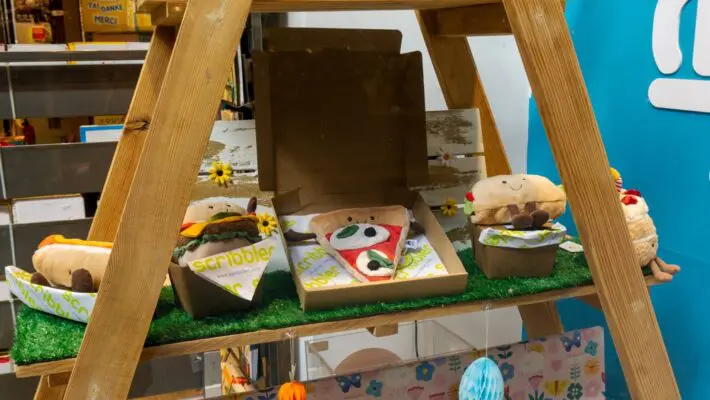
Jellycat’s success has also been fuelled by immersive retail experiences. Pop-ups in major cities have become social media phenomena, drawing long queues of adult fans.
• At London’s Selfridges, Jellycat sells plush fish and chips, served by staff play-acting with fryers and vinegar shakers.
• In New York, a Jellycat diner has become a must-visit attraction.
• Paris boasts its own Jellycat patisserie, with themed toys snapped up by locals and tourists alike.
These pop-ups generate viral content, with millions of views online as fans showcase their finds — essentially turning customers into brand ambassadors.
With demand still outstripping supply and a booming fan base, Jellycat appears well positioned for continued global expansion. The company’s blend of viral marketing, retail theatre and emotional appeal has not only transformed its balance sheet but also reshaped how soft toys are marketed worldwide.

Jamie Young
Jamie Young is Senior Reporter at Business Matters, covering SME finance, employment law and Westminster policy since 2016. He has reported on every Budget and Autumn Statement since 2018, helped make sense of the 'covid era' and the bounce-back loan scheme from launch through the fraud investigations, and broke the magazine's coverage of the 2024 late-payment reforms. He joined Business Matters straight from completing his BA in Administration from Exeter University and is NCTJ-qualified. Reach him at jyoung@cbmeg.co.uk