

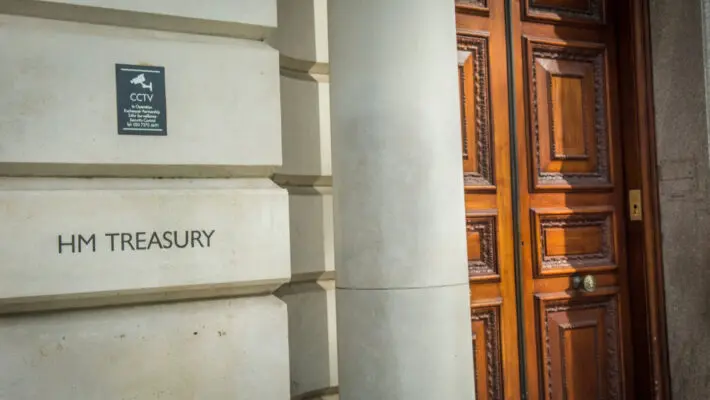
Under the scheme, nine major banks are required to refer small businesses they decline for loans to independent platforms that connect them with alternative finance sources.
Launched in November 2016, the scheme has facilitated 5,387 deals worth around £128 million—averaging £24,000 per loan. Yet, with gross SME lending at £4 billion for the recent quarter, these figures represent only a minor contribution to the sector. The Treasury acknowledged that it had expected a “higher conversion rate” and admitted that the number of businesses securing finance was “smaller than anticipated.”
FundOnion’s CEO, James Robson, criticised the initiative, stating it took “ten years” for the government to acknowledge the scheme’s limited impact, which he described as “shockingly low” given the estimated £22 billion funding gap facing SMEs. Robson contended that arranging approximately £1 million a month “is not even a drop in the ocean” when considering the financing needs of small businesses.
Despite the underwhelming outcomes, the Treasury defended the scheme, saying it had “generally met its objectives” by raising awareness of financing options and improving access to smaller lenders. However, Katrin Herrling, CEO of Funding Xchange—one of the scheme’s referral platforms—pointed out that 94% of referred businesses lack a finance-worthy profile, often due to factors such as limited trading history or poor credit.
Herrling also noted a lack of feedback mechanisms within the scheme, leaving many small businesses unclear about why banks reject their loan applications. Ian Cass, managing director of the Forum of Private Business, echoed these sentiments, attributing the scheme’s failure in part to long-standing disengagement from traditional banks with smaller business clients.
Initially announced by George Osborne in 2013, the scheme’s launch faced delays due to design disagreements. Under the current setup, businesses that agree to participate receive offers from alternative lenders, including online providers and independent finance houses. However, the Treasury acknowledged “frictions” impacting the scheme’s effectiveness, such as the requirement for physical signatures, data quality issues, and incomplete referrals by some lenders.

Jamie Young
Jamie Young is Senior Reporter at Business Matters, covering SME finance, employment law and Westminster policy since 2016. He has reported on every Budget and Autumn Statement since 2018, helped make sense of the 'covid era' and the bounce-back loan scheme from launch through the fraud investigations, and broke the magazine's coverage of the 2024 late-payment reforms. He joined Business Matters straight from completing his BA in Administration from Exeter University and is NCTJ-qualified. Reach him at jyoung@cbmeg.co.uk