
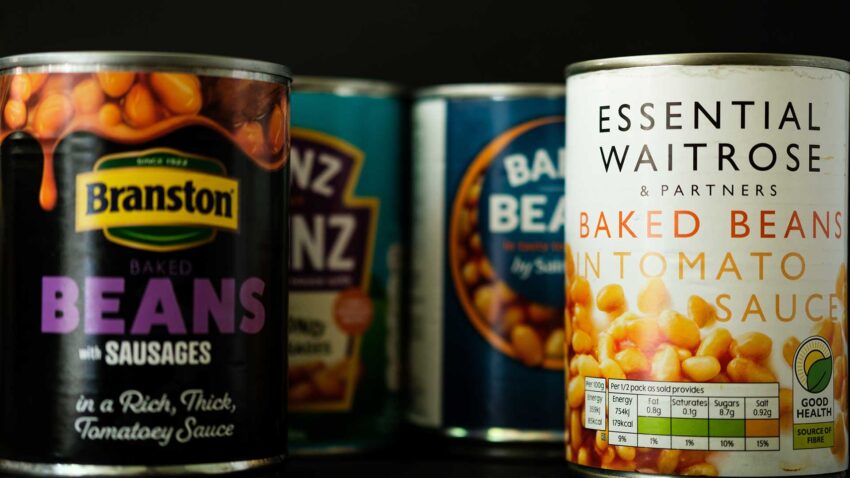
Iceland has reported a 40 per cent increase in sales of tinned products over the weekend and Maplin a 284 per cent rise in torch sales, after the government called on households to keep supplies at home in case of an emergency, according to figures obtained by BBC Newsnight.
The call came from Defence Secretary Wes Streeting, who said people should stock up to prepare for an emergency such as a cyber attack or an extreme weather event. Last Thursday he said households should have three litres of water per person per day, tinned goods in the cupboard, baby food, battery powered torches and mobile phone charging packs.
Many of those items appear among the goods whose sales have risen, according to the figures gathered by Newsnight.
Robert Dyas reported a 160 per cent increase in radio sales compared with the previous week. Maplin said sales of radios were up 92 per cent and power banks 106 per cent, alongside the rise in torches. Its figures compare the period since last week’s announcement with the same period last month.
Ollie Marshall, managing director at Maplin, said: “Within hours of the Be Ready announcement we saw people reach for the basics – a torch, a wind-up radio, a power bank. Torch sales nearly quadrupled and radio sales almost doubled in three days.”
“These are simple, affordable products that keep a household connected and informed when the power goes out, and it’s encouraging to see people taking the advice seriously,” he added.
An Iceland spokesperson told the programme: “It’s clear consumers have listened to the government’s message as we have seen a 40% increase in sales of tinned products over the weekend and strong sales of bottled water too. Our supplies of these products remain healthy.”
Independent retailers also reported higher demand for goods highlighted by the defence secretary. Josh Pringle, from the online store Sgt Prepper’s, said his sales had increased tenfold. “We were a small outfit on Wednesday. And then the government launched the Be Ready campaign and we couldn’t believe what we were seeing, order after order after order. Most of them were for a wind-up radio.”
Lincoln Miles, founder of Preppers Shop UK, told Newsnight of a 650 per cent increase in sales after the government announcement. “Everything about off grid seems to be the key of what people are buying for the minute,” he said.
Responding to the figures, Streeting told Newsnight: “It’s encouraging that people are taking practical steps to be ready. Having a few everyday essentials at home, from tinned food to torches, helps households prepare for disruption, whether that’s flooding, power cuts or burst pipes. We can all play our part in making Britain more resilient.”
The Cabinet Office published the advice last Thursday as the first stage of a three-year campaign. It said more than 500 organisations, from charities to businesses, had signed up to share the campaign’s messaging, and that the three-day standard at its heart is also used in France, Ireland and the Netherlands.
The Be Ready checklist also lists a battery or wind-up FM radio, a charged power bank, and cash in a mix of coins and notes in case electronic payments or cash machines are disrupted. It advises households to check what they already have and to pick up missing items during regular shopping trips to spread the cost.
Security Minister Dan Jarvis said at the launch: “Those who can follow this advice should follow this advice.”
The government has published household resilience advice since May 2024. It said the campaign updated the previous Prepare website with new messaging and branding, but that much of the advice has not changed.
Streeting cited cyber attacks among the risks, and retailers have been targets. The cyber attack on Marks & Spencer caused £300m in damages against £100m of cyber insurance, according to Clear Insurance Management. The government has separately set out the scope of a Cyber Security and Resilience Bill covering around 1,000 service providers and their supply chains.

Amy Ingham
Amy Ingham is a reporter at Business Matters, covering UK business news with a focus on breaking news, business policy, late payments and insolvency. She joined the magazine in 2026 after completing the NCTJ Diploma in Journalism at Harlow College's journalism school. Her recent reporting includes British Steel's nationalisation and its impact on SME suppliers, the decline in late payments by large firms, and Insolvency Service director disqualifications. Reach her at aingham@cbmeg.co.uk.