
Retail sales volumes in Great Britain fell by 0.4 per cent in September, according to figures published today by the Office for National Statistics (ONS), as households cut spending on food and warmer weather held back demand for winter clothing.
The fall was larger than the 0.1 per cent decline economists had expected. It followed a 0.7 per cent rise in August, which the ONS revised up from its earlier estimate of 0.5 per cent.
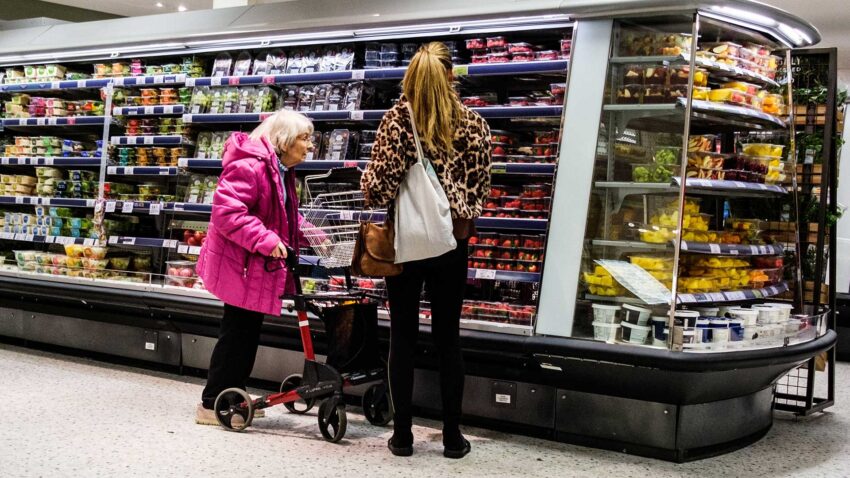
Food sales fell by 0.4 per cent over the month, while clothing volumes dropped by 0.9 per cent, the ONS said.
The statistics body said online clothing retailers reported that autumn and winter ranges released in September had not performed well because of the unseasonably warm weather. It cited Met Office data showing that this year had the joint-fourth warmest September on record. Supermarket sales volumes also fell, following rises in July and August.
Across the third quarter as a whole, sales volumes rose by 0.7 per cent compared with the three months to June, according to the ONS retail sales bulletin. The ONS attributed the quarterly increase to higher fuel sales and to food stores, with motorists spending more on fuel after lower sales in the second quarter.
The retail figures were published on the same day as GfK’s consumer confidence survey, which showed its overall index falling 11 points to -24 in October. GfK said the last drop of that size was in July 2016, following the Brexit vote, and that only the onset of the Covid pandemic had produced a larger fall in recent years.
Expectations for the general economy and intentions to make major purchases each fell by 14 points, according to GfK.
Nicholas Found, of Retail Economics, said: “September marked a clear softening in retail momentum.”
He added: “Unseasonably warm weather delayed the shift into autumn wardrobes, rising fuel and household costs absorbed more of consumers’ budgets.”
Oliver Vernon-Harcourt, the head of retail at Deloitte, said the fall in September “suggests consumers are tightening their purse strings as they assess what the coming months could mean for their finances”.
He added: “The rise in inflation, fuel and energy prices, as well as falling consumer confidence, are creating a cocktail of uncertainty for many.”
ONS figures published on Wednesday showed that inflation rose to 3.5 per cent in September, up from 3.1 per cent in August.
The figures arrive days before John Healey delivers his first Budget as Chancellor on 28 October. Healey is widely expected to raise taxes as he seeks to plug a potential £35bn shortfall in the public finances.
Retailers have urged the Chancellor to introduce support for the sector in the Budget. Those calls have coincided with pressure to ease cost of living pressures on households, with energy bills expected to rise this winter.
The Times has reported that Healey is preparing to make online marketplaces collect VAT owed by sellers on their platforms, a measure that could raise up to £1bn, with the proceeds used to fund business rates cuts for high street shops. The Treasury said decisions on tax were a matter for the Chancellor to set out at fiscal events.
Paul Dales, the chief UK economist at Capital Economics, said: “October’s sharp fall in consumer confidence and the dip in retail sales volumes in September show that times are getting tougher for households just as the all-important festive period for retailers is just around the corner.”
Dales said consumer spending and GDP growth were likely to “grind to a halt” in the final three months of the year and the beginning of 2027, amid falling consumer confidence and a rebound in inflation.

Jamie Young
Jamie Young is Senior Reporter at Business Matters, covering SME finance, employment law and Westminster policy since 2016. He has reported on every Budget and Autumn Statement since 2018, helped make sense of the 'covid era' and the bounce-back loan scheme from launch through the fraud investigations, and broke the magazine's coverage of the 2024 late-payment reforms. He joined Business Matters straight from completing his BA in Administration from Exeter University and is NCTJ-qualified. Reach him at jyoung@cbmeg.co.uk