
Opinion
Waitrose’s kindness gap: how a supermarket lost its humanity
When a 27-year-old volunteer with autism was shown the door after his family asked if he could be paid, Waitrose didn’t just lose a helper—it lost…


Some of the UKs leading business leaders and opinion formers share their insight and ideas for growth
When a 27-year-old volunteer with autism was shown the door after his family asked if he could be paid, Waitrose didn’t just lose a helper—it lost…
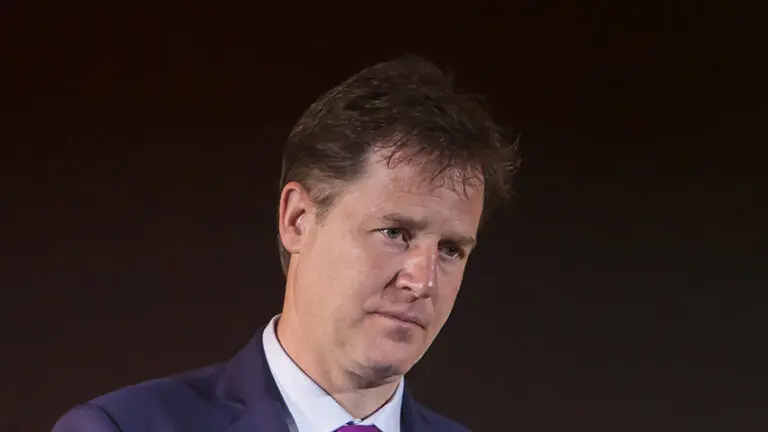
Nick Clegg warns AI valuations are “crackers” and unsustainable, predicting a market correction as investors question the industry’s long-term returns.

When loyalty no longer pays: Richard Alvin uncovers how his stepfather’s 64 years of faithful AA membership was rewarded with a renewal quote nearly three times…

Economists and AI experts warn the government that its heavy reliance on income tax could trigger a “fiscal collapse” if automation continues to replace human workers…

Rachel Reeves risks fuelling inflation and damaging small business growth if she cuts the VAT threshold in the Autumn Budget, tax experts warn, saying the move…

Japanese firms have invested £118m in Greater Manchester, cementing the region’s global appeal. Business leaders say the government must now match that confidence with infrastructure and…

The EU’s move to halve Britain’s steel export quota and impose a 50% tariff has sparked calls for the UK Government to take retaliatory action, amid…

Autumn marks the start of festive corporate event season - that time of year when work calendars often up with the usual ‘team building’ rituals: pub…

Your business loses hours every week when systems do not speak to each other. What if your technology could flex and grow as quickly as your…
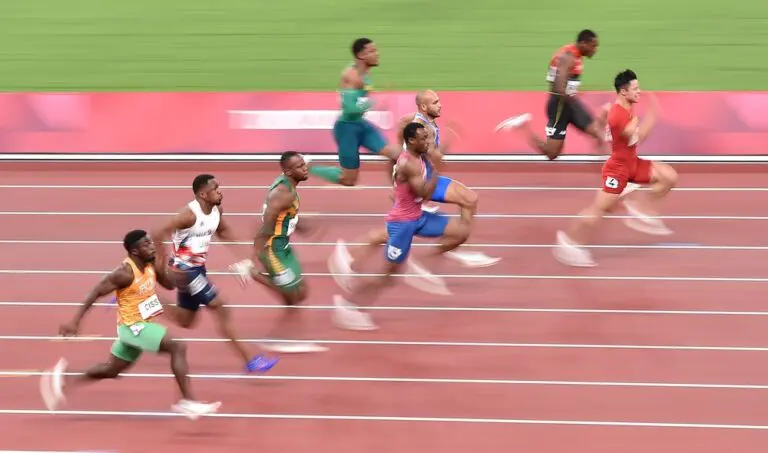
In this sharp and witty column, entrepreneur and broadcaster Richard Alvin argues that business isn’t an Olympic sport — there’s no level playing field or drug…

As a member of Generation X, I grew up in the workplace with a simple rule: if your boss asked you to do something, you said…
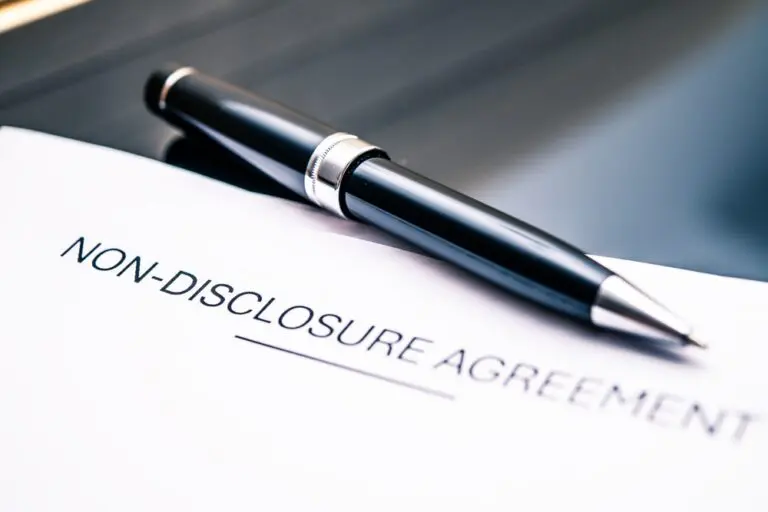
There have been long-standing concerns about the use of Non-disclosure agreements (NDAs), particularly relating to sexual harassment allegations. Those concerns have grown with the momentum of…
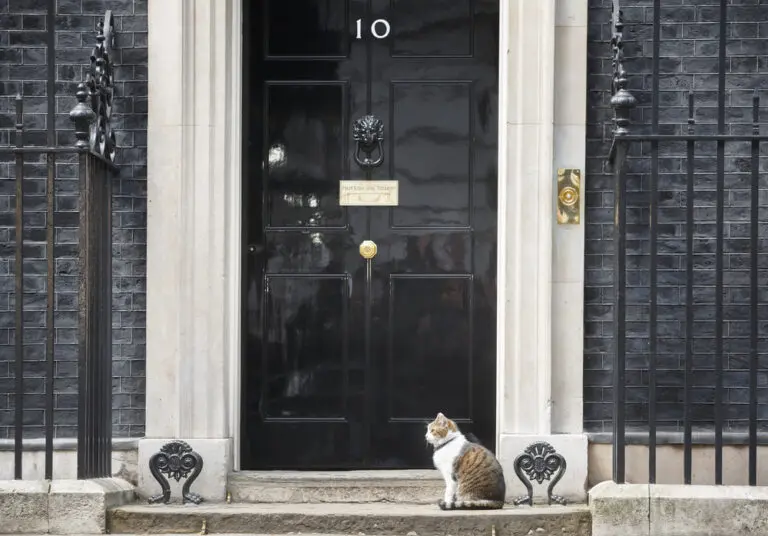
Rumour has it that Rachel Reeves is limbering up for November with a Budget that will make the taxman’s quill squeak like a stuck pig. Property,…

In today’s fast-moving business world, inclusivity is often spoken about but less often practiced in meaningful ways. True inclusivity goes far beyond ticking boxes, it’s about…

For many SMEs, growth often hinges on one big question: hire from outside your organisation or invest in who you already have?