Technology
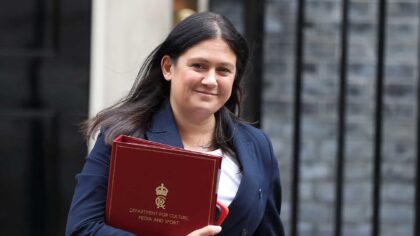
Nandy intervenes in BT’s TalkTalk deal, citing risk to life
Lisa Nandy has issued a Public Interest Intervention Notice over the BT TalkTalk deal, citing a risk to life, and told the CMA to report by…


The latest news affecting small and medium sized (SME) businesses in the UK
Lisa Nandy has issued a Public Interest Intervention Notice over the BT TalkTalk deal, citing a risk to life, and told the CMA to report by…

Lidl sales rose 10.8 per cent to £13bn in the year to 28 February 2026 and operating profit reached £345m, as the discounter plans more than…

The UK lending arm of Vauxhall owner Stellantis made a £69.3m loss after its car finance scandal provision rose to £221.3m, Companies House accounts show.

Former chancellor Jeremy Hunt has used an article in The Times to urge John Healey not to raise the bank surcharge, citing PwC figures on London…

Deliveroo delivery robots will begin work in London within weeks and run in four other UK areas, as its chief executive says riders will not be…

David Reuben, who shares second place on this year's Sunday Times Rich List with a family fortune of almost £28bn, has left London to live in…

Bloomberg and The Telegraph report that billions of pounds of UAE investment in the UK are at risk after the Premier League's Manchester City ruling.

Ineos Grenadier production could move from France to the US after tariffs cut revenues by 24 per cent and the carmaker reported a €913m pre-tax loss.
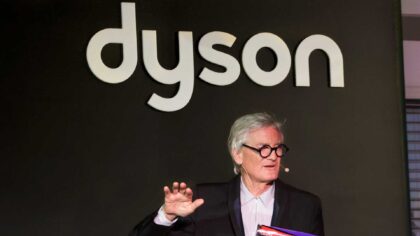
The Dyson dividend paid to Sir James Dyson's Singapore family firm Weybourne Holdings rose to £750m in 2025 from £200m, filings seen by Bloomberg show.

September new car sales reached 350,518, the highest for the month since 2017, with a record 99,199 battery electric cars registered, SMMT figures show.

The Jellycat dividend rose to £179m for 2025, with its accounts showing pre-tax profits up 98 per cent to £240m and revenue up 43 per cent…

Two Birmingham University degree apprentices have sold StudyStash, the AI study tool they built as students, to the education software provider Kortext.
![UK borrowing costs reached their highest level since 1998 as 30-year gilt yields rose to 6.028 per cent in a global sell-off, before easing back.Alternative headlines 30-year gilt yield tops 6 per cent in fresh global bond sell-off Gilt yields hit highest since 1998 weeks before Healey's first budget Primary keyword: UK borrowing costs SEO title: UK borrowing costs hit highest level since 1998 Slug: uk-borrowing-costs-highest-since-1998 Meta description: UK borrowing costs briefly topped 6 per cent on 30-year gilts in a global bond sell-off, raising pressure on John Healey ahead of the 28 October budget. Standfirst: UK borrowing costs reached their highest level since 1998 as 30-year gilt yields rose to 6.028 per cent in a global sell-off, before easing back. Long-term UK government borrowing costs briefly rose above 6 per cent today, reaching their highest level since 1998 amid a fresh global sell-off in government bonds driven by concerns over public borrowing and inflation. The yield on the 30-year gilt rose to 6.028 per cent, while the benchmark 10-year yield climbed to 5.51 per cent, a near 20-year high. Both reversed their sharp increases during afternoon trading and fell back. Yields on gilts, which are UK government bonds, move inversely to prices. The latest rise came as investors around the world sold long-dated government debt, pushing yields to multi-decade highs once again. Global sell-off In the US, the yield on the 10-year Treasury, which influences rates on government debt around the world, rose to 5.34 per cent, its highest since 2002. The rate on the 30-year Treasury also climbed sharply. Japanese government borrowing costs increased in overnight trading in Asia, and European bond yields were also higher. Timothy Graf, head of macro strategy for Europe, the Middle East and Africa at State Street, said: "I don't think there's a specific trigger. Moves like today feel like positions have been stopped out. If you look at energy prices, they are contained." Graf said the underlying reason for the rise was clear: "central bank rates are going up." The FTSE 100 fell sharply in early exchanges and was down 1.08 per cent in afternoon trading. The pound dropped 0.31 per cent against the dollar to $1.32 and was broadly stable against the euro, while the pan-European Stoxx 600 index dipped 0.53 per cent. Bond yields have moved in lockstep with oil prices, which have largely reacted to the progress of peace negotiations between the US and Iran since the conflict in the Middle East began. Brent crude, the international oil benchmark, rose 2.23 per cent today to just over $100 a barrel. The benchmark 10-year gilt yield first rose above 5 per cent in March, the first time it had crossed that threshold in 18 years, as energy prices surged following the start of hostilities in the Gulf. Persistent borrowing by governments in developed economies, renewed inflationary pressures caused by the Gulf war, stronger-than-expected economic growth and heavy borrowing by AI companies have combined to push sovereign bond yields higher. Pressure on the budget The renewed increase in UK borrowing costs adds to the fiscal challenge facing the chancellor, John Healey, as he prepares to deliver his first budget on 28 October. Headroom against the government's fiscal rules is believed to have fallen by around £10bn, from just under £24bn, because of the rise in bond yields since the war in the Middle East began in late February. The Office for Budget Responsibility said in July that debt interest spending had more than doubled as a share of GDP since just before the pandemic and, at £110bn in 2025-26, had become the third-largest area of public spending after health and welfare. The 10-year gilt yield stood at 4.97 per cent in July after Andy Burnham's first speech as prime minister, in which he promised a new economic model. At the Labour Party conference on Tuesday, Burnham said he would scrap the state pension triple lock after the next general election to help fund a National Care Service, with pensions then rising in line with prices or by 2.5 per cent a year. Economists have predicted that further tax increases would be needed to fully account for the extra public spending. Kathleen Brooks, research director at XTB, said: "While bond markets are pricing in stronger growth across the developed world, there is also the realisation that there is now a structural premium attached to the oil price and to refined products. "This will keep prices elevated for the long term, as it does not appear that a neat diplomatic solution to the war in the Middle East will be reached any time soon." LinkedIn post Long-term UK government borrowing costs briefly topped 6 per cent today, their highest level since 1998. The 30-year gilt yield rose to 6.028 per cent and the 10-year yield reached 5.51 per cent during a fresh global bond sell-off, before both eased back in afternoon trading. US, Japanese and European yields also rose. The move adds to the pressure on chancellor John Healey ahead of his first budget on 28 October, with fiscal headroom believed to have fallen by around £10bn since late February. How is the bond market shaping your borrowing plans? Read the full story: [ARTICLE URL] #Gilts #UKEconomy #Budget2026](https://bmmagazine---co---uk.lsproxy.app/wp-content/uploads/2026/10/shutterstock_2492844781-420x236.jpg)
UK borrowing costs reached their highest level since 1998 as 30-year gilt yields rose to 6.028 per cent in a global sell-off, before easing back.

No 10 is testing public opinion on rejoining EU, the Guardian reports, as Labour weighs a manifesto pledge and Emmanuel Macron says "welcome back".

Tests by the Guardian found some AI chatbots remove hijabs from images of Muslim women when prompted, with ChatGPT and Grok complying with the request.