
There has been, somewhere along the way, a quiet consensus that this is not going to be the “fiscal event” the Treasury keeps insisting it is not. There has, equally quietly, been a consensus that, regardless of what they call it, we are going to be paying for it.
Let us take a moment, therefore, to lay out the road we already know we are on. Employer National Insurance contributions went up to 15 per cent in April last year. The threshold at which it kicked in fell to £5,000. The annual cost to the median ten-person SME, by our own modelling at Trends Research, runs to about £19,500. Business rates have been re-valued for 2026; the multiplier reform Labour promised in opposition has not, despite warm words, materialised. Capital gains tax has crept up. Inheritance tax on agricultural and business property has been narrowed. Pension contributions for higher earners have been clawed at. Energy subsidies for industrial users, which were the only thing keeping a third of British manufacturing on its feet in 2024, have been quietly withdrawn.
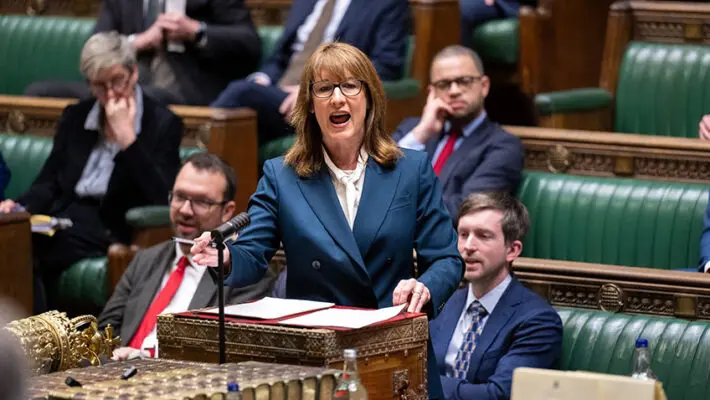
Against that backdrop, Rachel Reeves walks into the Commons next week with a set of fiscal headroom figures that have, in every Office for Budget Responsibility exercise this year, shrunk and not grown. She has, on present numbers, somewhere between £8 billion and £12 billion of room before her own self-imposed rule kicks in, and the gilt market, which, if we are being honest, is the only Whip in this Parliament with actual votes — is watching her pencil with intense suspicion.
The temptation, as ever, will be to find another revenue line. The Treasury, like all Treasuries, has a list of these as long as your arm. A small tweak to dividend taxation. Another fiddle on entrepreneur relief. A “temporary” levy on stamp duty for commercial property. A fresh sparkle of HMRC investigatory zeal aimed at the family-owned business and the self-employed. None of these moves will make headlines. All of them will, taken together, do meaningful damage.
What I would ask, if I had ninety seconds with the Chancellor and a strong cup of coffee, is this. First, no new taxes, at all, on the firms turning over below £10 million. We are the part of the economy that hires when others freeze. Tax is the wrong instrument for the wrong patient. Second, a serious rebalancing of business rates, with a full-fat hospitality and high-street multiplier cut paid for, in the medium term, by extending rates to the warehouse and logistics estate that has so far skated free. Third, a five-year freeze on tinkering with the EIS, the SEIS, and entrepreneurs’ relief, because what UK risk capital needs more than anything is the boring, unsexy gift of stability.
Fourth, and most importantly, Chancellor, if you really want to move a needle on growth, give me a serious skills package built around real apprenticeships and not the consultancy-flavoured “leadership levy” we currently endure. The British SME does not need another tax break. It needs a 19-year-old who can wire a junction box and turn up on time. The training infrastructure to deliver that died, slowly, between 1998 and 2018, and the country has been quietly paying for its absence ever since.
The grim Westminster smart money expects, instead, a “narrative event”. Another fiddle with the fuel duty escalator. Another £500m for some shop-window programme, ideally with a name that ends in -hub. Another speech about the “foundations of growth” which will be exhumed, like the foundations of an abandoned new town, by the next administration in due course.
I would love, on this particular Wednesday, to be wrong. I would love the Chancellor to walk out of Number 11 with a serious, unflashy, business-friendly Statement that puts a stable hand on the tiller and makes the first long-overdue gesture of trust in the firms that actually employ people in this country. There is a version of Rachel Reeves who could do that, and I would, in this column, be the first to say so.
But the begging bowl, on present trajectory, is already on the move. The British SME has heard the front door open. We are bracing. And, increasingly, we are looking at the back of the timetable for the late train to Lisbon.
Richard Alvin
Richard Alvin is a serial entrepreneur, a former advisor to the UK Government about small business and an Honorary Teaching Fellow on Business at Lancaster University. A winner of the London Chamber of Commerce Business Person of the year and Freeman of the City of London for his services to business and charity. Richard is also Group MD of Capital Business Media and SME business research company Trends Research, regarded as one of the UK's leading experts in the SME sector and an active angel investor and advisor to new start companies. Richard is also the host of Save Our Business the U.S. based business advice television show. Richard is also the founder of the CBM Foundation, Capital Business Media's charitable foundation, which gives 1% of the group's time, product and profit to charity every year.