
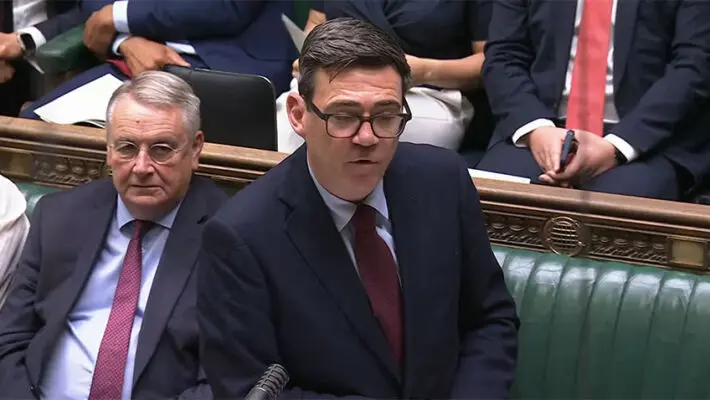
“I will, Mr Speaker, and I will remove VAT from electricity bills next month,” the prime minister told the Commons. “It’s not going to solve everything for people, Mr Speaker, but it will take a little bit of pressure off.”
Dave Doogan, leader of the SNP in the House of Commons, had set out three pressures on household budgets in putting the question. Energy bills would rise again across the United Kingdom in the coming weeks, he said. Five major mortgage lenders had pushed up mortgage prices within the last few days. The cost of a barrel of oil had gone over $100 within the last few hours, he said, pushing up prices at the pumps.
“Despite this, Mr Speaker, the prime minister still seems fairly well liked,” Doogan said. “I’ll let you into a wee secret: I quite like the new prime minister, but that popularity will not pay the bills during this winter’s looming cost-of-living emergency. Will he stand up now and tell people what he is going to do to help?”
What the cut covers
The measure was announced on 21 July, in the first week of Burnham’s premiership. According to the Downing Street announcement, the 5 per cent rate comes off domestic electricity bills on 1 October at a cost to the Treasury of about £850m in 2026-27, funded by cancelling the digital ID programme, which had been due to cost £1.8bn over three years.
Downing Street put the saving at about £45 a year on a typical bill and said the Treasury expected the change to take around 0.10 percentage points off CPI inflation.
The relief applies to domestic supplies only. As Business Matters reported in July, most firms miss out on the cut: VAT-registered companies already reclaim the tax on their energy, and commercial supplies sit outside both the announcement and the price cap. Small businesses that qualify for the domestic rate and are not registered for VAT, along with charities and residential care homes, do benefit.
Bills still rising
The cut lands as household costs go up. Ofgem raised the price cap by 4 per cent from 1 October, taking the annual bill for a typical direct debit household to £1,723, up £60. The regulator said gas bills would rise by 8 per cent while electricity costs stayed broadly stable because of the VAT removal, and that about 11 million households on fixed tariffs, roughly 35 per cent of the total, were unaffected.
Neil Kenward, Ofgem’s director general for markets, said: “High international gas prices are continuing to drive energy costs in the UK. We welcome the government’s intervention to remove VAT from electricity bills, without which customers would have faced even higher costs this winter.”
Burnham signalled further help with bills at the Budget when the cap decision was published, saying the government would look at how to get energy prices down in the long term.
On borrowing costs, the Bank of England’s most recent Credit Conditions Survey put defaults on secured loans at 6.2 per cent in the first three months of 2026, the highest reading since the final quarter of 2024. Lenders have repriced since the escalation in the Middle East, pushing the average two-year fixed rate from about 4.8 per cent to beyond 5.5 per cent.
In Northern Ireland, where EU VAT rules still apply, the Executive receives comparable funding to support households instead, the announcement said.

Paul Jones
Harvard alumni and former New York Times journalist. Editor of Business Matters for over 15 years, the UKs largest business magazine. I am also head of Capital Business Media's automotive division working for clients such as Red Bull Racing, Honda, Aston Martin and Infiniti.