


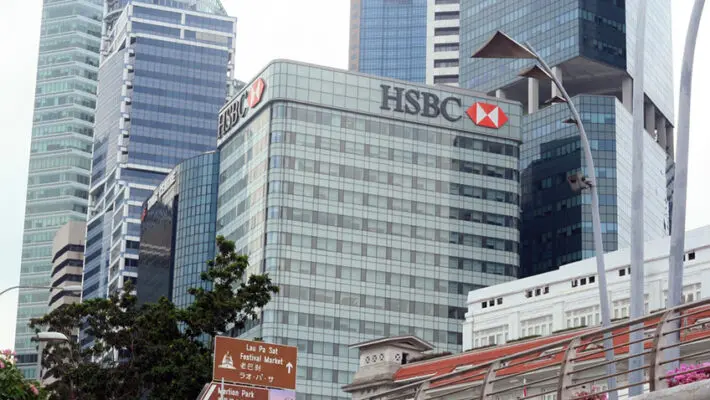
Standard Chartered shares slid 6 per cent, HSBC lost 4 per cent and the insurer Prudential dropped 6.5 per cent after the South China Morning Post reported that residents on the mainland now face far stricter limits on opening offshore accounts, with regulators “stepping up oversight” of cross-border capital flows.
The sell-off is an uncomfortable reminder of how exposed the London market remains to policy decisions made in Beijing, and comes at a delicate moment, with ministers championing closer trade ties with China as part of the government’s open-economy stance.
According to the report, the Shanghai branch of Bank of East Asia has suspended the opening of Hong Kong accounts altogether, a move that curtails the ability of high-net-worth mainland clients to shift assets around the world. A spokesperson for the bank said it was “following the latest guidelines from relevant regulators to ensure that the account-opening process is compliant and efficient”.
The clampdown on account openings follows a tightening of the rules around investment accounts for individuals on the mainland. Reuters reported last week that HSBC and its affiliate Hang Seng Bank have asked clients opening investment accounts to declare that their funds originate overseas rather than in China, while Bank of China Hong Kong has begun questioning customers on the source of their money.
A spokesman for the Hong Kong Association of Banks sought to play down the changes, telling the news agency that tighter rules would have “no significant impact on the account opening process”.
City analysts were similarly sanguine. Philip Kett of Jefferies said: “While changes to the regulatory process may introduce marginally more friction to the sales process of financial products, it is our view that these regulations are aimed at better enforcing existing rules rather than disrupting the system.”
Kett added that money blocked from moving into investment accounts may instead find its way into life insurance products, a potential silver lining for Prudential, although he cautioned that “some customers may now choose not to buy at all for fear of breaking the rules”.
The deeper concern for investors is strategic. HSBC, Standard Chartered and Prudential have spent years positioning themselves to capture surging demand for savings, investment and insurance products from China’s expanding middle class. Bloomberg noted that AIA also slumped on the report, underlining how broadly the curbs ripple through Asia-focused financials.
Yet the London-listed trio must navigate a regulatory regime set by the Chinese Communist Party that frequently diverges from western norms, and can stir political controversy at home, just as businesses weigh up whether the new UK–China trade agreement can deliver. For shareholders, the China growth story remains compelling, but days like this are a reminder that it comes with strings firmly attached in Beijing.